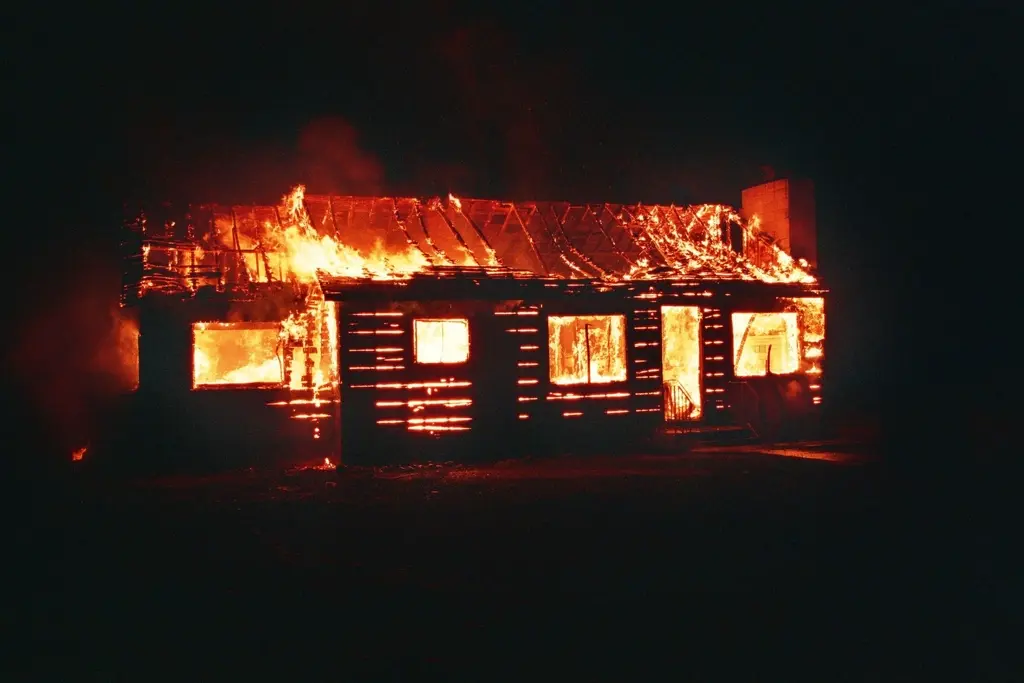
The damage you can’t see
Flames damage what they touch, but smoke and soot migrate through return vents, wall cavities and attic spaces. A small kitchen fire in a Marietta ranch can leave protein residue on every ceiling. A garage fire in Athens can push acidic soot into an attached living area. Estimates that “clean and seal” everything frequently underprice what’s needed to actually eliminate the odor.
What a fire appraisal covers
- Structural scope — framing, sheathing, roof decking, electrical rewiring and the demolition required to reach charred members.
- Cleaning versus replacement — whether surfaces, cabinets and finishes can be restored or need replacement.
- HVAC and ductwork cleaning or replacement when smoke has been circulated through the system.
- Odor control — thermal fogging, hydroxyl treatment, sealing — and whether the specified steps are realistic.
- Contents — a priced inventory with ages and replacement values, plus cleaning and storage costs for salvageable items.
- Additional living expense projected realistically for the length of a fire rebuild.
Total loss and policy limits
When a home is a total loss, the dispute often shifts to whether the policy limit itself is enough to rebuild, and whether extended replacement cost or ordinance coverage applies. We produce a full rebuild estimate so you can see where limits leave you — information that matters whether or not you end up in appraisal.
Frequently asked questions
Should I let the carrier’s preferred contractor start cleaning?
You can, but get the scope in writing first and keep your own photos. Once materials are removed or cleaned, it is harder to prove what condition they were in.
How detailed does a contents list need to be?
Very. Item, quantity, brand or description, age, and replacement price. We help organize lists into a format a panel can evaluate efficiently.
Does appraisal cover the cause of the fire?
No. Cause and origin investigations are separate. Appraisal values the loss once coverage is accepted.